"THE DAY I STOPPED DRINKING MILK" - SUDHA MURTY


Sudha Murty
Sudha Murty is a renowned Indian author, educator, social worker, and was the chairperson of the Infosys Foundation. She has written numerous bestselling books in English and Kannada, and is much known for her social contributions in the fields of education, healthcare, and rural development. She has been presented with significant awards such as the Padma Shri and Padma Bhushan, and was nominated to the Rajya Sabha in 2024 for her contributions to society.
1. Bombay to Bangalore
This story follows the author’s encounter with Chitra, a poor girl traveling without a ticket. With the author’s support, Chitra eventually builds a better life through education. The story shows how timely help and compassion can transform someone’s future.
2. Rahman’s Avva
Rahman, a Muslim boy, is raised by a Hindu grandmother (Avva), who ensures he follows his own religion. Their relationship reflects deep love and mutual respect. The story highlights communal harmony and humanity beyond religious boundaries.
3. Ganga’s Ghat
Ganga, a poor village woman, provides bathing water to strangers despite living in a drought-prone area. Her selfless service gives her purpose. The story teaches that generosity depends on willingness, not wealth.
4. The Day I Stopped Drinking Milk
The author visits a poor family in Odisha, where her request for milk unknowingly creates hardship. This incident makes her realize the burden guests can place on hosts. It emphasizes empathy and awareness of privilege.
5. Changing India
Through her own observations and interactions with people, the author reflects on India’s social and cultural transformation. The story highlights adaptability while reminding readers to preserve core values.
6. Genes
Hari believes everything in life is determined by genetics and avoids taking responsibility for his actions. His character shows how people use excuses instead of effort. The story stresses the importance of hard work.
7. Helping the Dead
Vinayak and his group perform last rites for unclaimed bodies. Their service restores dignity to the deceased. The story reflects compassion and respect for humanity, even after death.
8. Three Ponds
The story presents women like Bhagavathi who sacrifice their lives for building ponds that benefit their village. These characters symbolize courage and selflessness for the greater good.
9. No Man’s Garden
Parappa, a farmer, cultivates a garden on unused land and shares its produce with the poor. His actions show responsibility and service without expecting recognition.
10. Sticky Bottoms
Venkat, a talkative man, dominates conversations but never listens. His behavior highlights poor communication habits. The story teaches the importance of listening as much as speaking.
11. Too Many Questions
A curious child constantly asks questions, often irritating adults. However, this curiosity represents the desire to learn. The story emphasizes that questioning is essential for knowledge and growth.
12. The Gift of Sacrifice
A young cowherd sacrifices his life to deliver an important message and save his village. His bravery reflects dedication and courage for the collective good.
13. Bad Help
Satish, who once received help from the author, later betrays her trust after becoming successful. His character shows how people can change with circumstances. The story highlights trust, gratitude, and betrayal.
14. Sharing with a Ghost
A young man learns Sanskrit from a ghost who believes knowledge should be shared. This unusual character conveys the message that wisdom can come from unexpected sources.
15. Foot in the Mouth
The author narrates incidents where careless speech leads to embarrassment. The characters involved show how words can harm relationships. The lesson is to think before speaking.
16. Miserable Success
Vishnu achieves material success but remains unhappy. His character proves that wealth alone cannot bring satisfaction. The story highlights the importance of emotional well-being over material gain.
17. Shraddha
The author, her family, and a priest are involved in a ritual ceremony. The story questions blind faith and rituals performed without understanding. It emphasizes balancing tradition with logic.
18. Lazy Portado
Portado, a brilliant but lazy student, fails to succeed due to lack of discipline. His classmates act as a contrast. The story teaches that hard work is more important than talent.
19. Uncle Sam
The author interacts with Americans during her visit abroad and observes how India is perceived globally. These interactions highlight cultural identity, self-respect, and changing perspectives.
20. You Should Have Asked Me
The story involves the author and an acquaintance who fails to communicate properly. Misunderstandings arise due to assumptions. It emphasizes the importance of clear and direct communication.
21. A Mother’s Love
A mother sacrifices everything for her child’s well-being. The emotional bond between them reflects unconditional love and the silent strength of parenthood.
22. Do You Remember?
The author recalls people who helped her in the past but are often forgotten. These characters represent unnoticed contributors in life. The story teaches gratitude and remembrance.
23. Life’s Secret Lessons
In the final reflection, the author brings together lessons learned from people like Chitra, Ganga, Avva, Parappa, and Vinayak. It shows that wisdom comes from observing ordinary lives and everyday experiences.
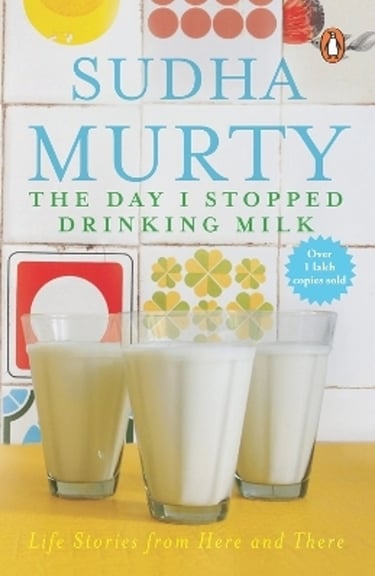
This review presents a chapter-wise analysis of The Day I Stopped Drinking Milk by Sudha Murty, a collection of real-life stories that highlight values like empathy, humility, and social awareness. Each chapter reflects simple yet powerful life lessons drawn from everyday experiences and human interactions.